No edit summary |
m Text replacement - "nameEn" to "name en" |
||
| (5 intermediate revisions by the same user not shown) | |||
| Line 7: | Line 7: | ||
|background color=#e4ecf3 | |background color=#e4ecf3 | ||
|heading=Kunst, Cultuur, Transitie | |heading=Kunst, Cultuur, Transitie | ||
| | |name en=Art, Culture, Transition | ||
|lead=Het onderzoeken van systeemverandering | |lead=Het onderzoeken van systeemverandering | ||
| | |lead en=Exploring systemic change | ||
|summary=In de Zeeuwse Delta - waar land, water en cultuur elkaar voortdurend (her)vormen - is de toekomst tastbaar. Hier tekenen de sociale, ecologische en economische mogelijkheden en spanningen van morgen zich vandaag al af. Dit gebied is geen decor, maar drager én aanjager van verandering. In dat landschap onderzoekt het lectoraat Kunst, Cultuur, Transitie systeemverandering als een cultureel, ecologisch en sociaal proces. | |summary=In de Zeeuwse Delta - waar land, water en cultuur elkaar voortdurend (her)vormen - is de toekomst tastbaar. Hier tekenen de sociale, ecologische en economische mogelijkheden en spanningen van morgen zich vandaag al af. Dit gebied is geen decor, maar drager én aanjager van verandering. In dat landschap onderzoekt het lectoraat Kunst, Cultuur, Transitie systeemverandering als een cultureel, ecologisch en sociaal proces. | ||
| Line 19: | Line 19: | ||
We nodigen kunstenaars uit als ‘artists in residence’ bij HZ en het Delta Climate Center, waar zij hun praktijk verbinden met onderzoek en onderwijs. Ook betrekken we kunstenaars bij lopend en nieuw onderzoek om via artistiek en art-based onderzoek gezamenlijke vraagstukken te verkennen en nieuwe toekomsten tastbaar te maken. | We nodigen kunstenaars uit als ‘artists in residence’ bij HZ en het Delta Climate Center, waar zij hun praktijk verbinden met onderzoek en onderwijs. Ook betrekken we kunstenaars bij lopend en nieuw onderzoek om via artistiek en art-based onderzoek gezamenlijke vraagstukken te verkennen en nieuwe toekomsten tastbaar te maken. | ||
| | |summary en=In the Zeeland Delta - where land, water, and culture continuously (re)shape one another - the future is tangible. Here, the social, ecological, and economic possibilities and tensions of tomorrow are already emerging today. This region is not a backdrop but both a carrier and a driver of change. Within this landscape, the research group Art, Culture, Transition explores systemic change as a cultural, ecological, and social process. | ||
Art is a fully-fledged domain of knowledge in this context: a way of perceiving, thinking, feeling, and acting that creates space for the unspeakable, the unimaginable, and the not-yet-existent. We search for new stories and skills that can enable or accelerate systemic change. | Art is a fully-fledged domain of knowledge in this context: a way of perceiving, thinking, feeling, and acting that creates space for the unspeakable, the unimaginable, and the not-yet-existent. We search for new stories and skills that can enable or accelerate systemic change. | ||
| Line 31: | Line 31: | ||
{{Research Group Detail | {{Research Group Detail | ||
|objective=Het onderzoeken van systeemverandering als een cultureel, ecologisch en sociaal proces. | |objective=Het onderzoeken van systeemverandering als een cultureel, ecologisch en sociaal proces. | ||
| | |objective en=Exploring systemic change as a cultural, ecological, and social process. | ||
|mission=We willen een werkruimte zijn voor toekomstmakers: een plek om te oefenen, te verbeelden en te doen. We werken met studenten, kunstenaars, onderzoekers, gemeenschappen, beleidsmakers en meer dan menselijke actoren aan andere manieren van samenleven, met elkaar, met het land en met het water. | |mission=We willen een werkruimte zijn voor toekomstmakers: een plek om te oefenen, te verbeelden en te doen. We werken met studenten, kunstenaars, onderzoekers, gemeenschappen, beleidsmakers en meer dan menselijke actoren aan andere manieren van samenleven, met elkaar, met het land en met het water. | ||
| | |mission en=We want to be a workspace for future-makers: a place to practice, imagine, and take action. We work with students, artists, researchers, communities, policymakers, and more than human actors on alternative ways of living together, with each other, with the land, and with the water. | ||
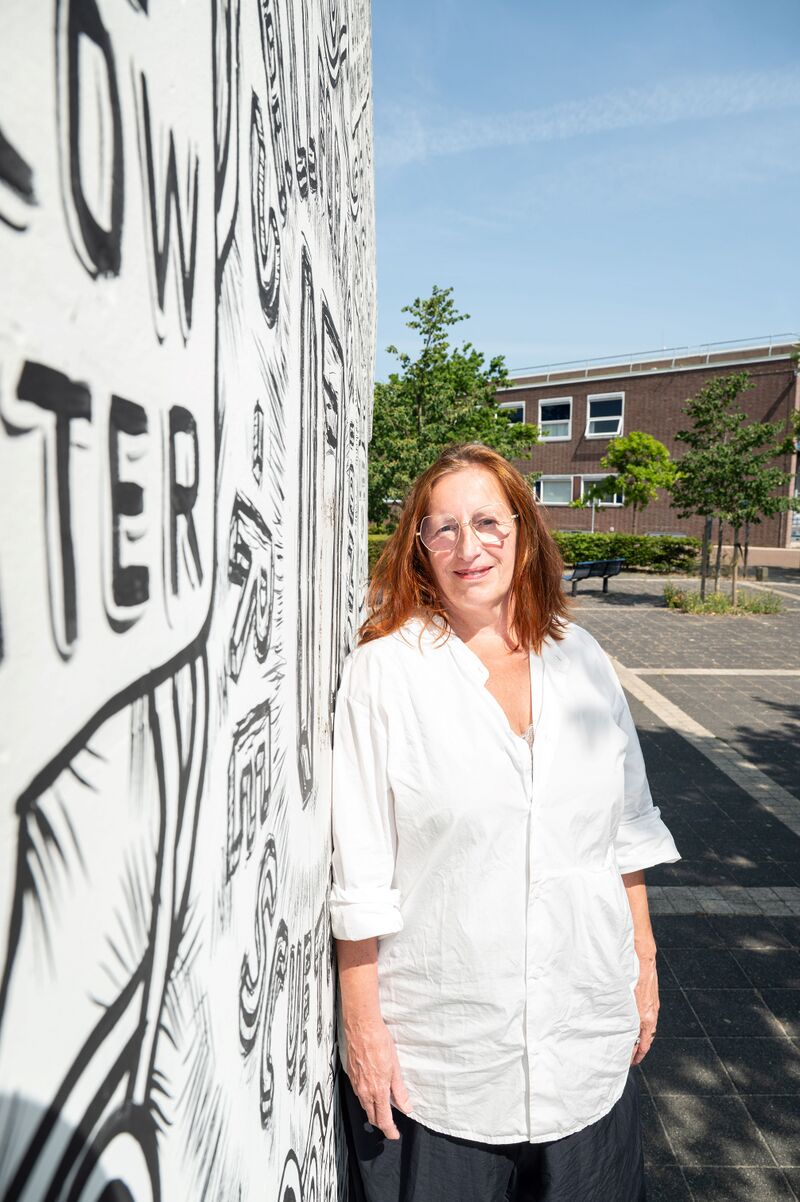
|professor=Godelieve Spaas | |professor=Godelieve Spaas | ||
|contact=Godelieve Spaas | |contact=Godelieve Spaas | ||
Latest revision as of 14:55, 11 February 2026
- Mission
- We willen een werkruimte zijn voor toekomstmakers: een plek om te oefenen, te verbeelden en te doen. We werken met studenten, kunstenaars, onderzoekers, gemeenschappen, beleidsmakers en meer dan menselijke actoren aan andere manieren van samenleven, met elkaar, met het land en met het water.
- Objective
- Het onderzoeken van systeemverandering als een cultureel, ecologisch en sociaal proces.
- Professor
- Godelieve Spaas
- Contactpersoon
- Godelieve Spaas
- Thema
- Energie, Vitaliteit, Water, Voeding